

What we study
Research
We ask how the nervous system controls posture, gait, and balance, and how that control changes across the adult lifespan.
Keeping upright and moving safely looks effortless, but it depends on a continuous conversation between the brain, the senses, and the muscles. The Intelligent Neuromotor Control Lab studies that conversation: how the nervous system and the muscles together produce posture, gait, and balance, and how that control changes with aging, fatigue, neurodegeneration, and neurodiversity.
Our work combines laboratory movement analysis with data-driven methods, with the long-term aim of practical tools that detect changes in neuromotor function early and support safe, independent mobility.
-
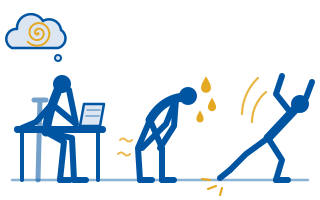
Aging, fatigue, and fall risk
How aging and fatigue change the way people stand and walk, and what that means for staying safe and mobile.
We are interested in why some people stay steady as they age or tire while others do not, and in better ways to recognize risk early.
-
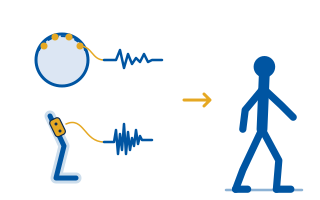
Brain and behavior in movement control
How the nervous system and muscles organize posture and gait, and what movement reveals about that control.
We study the links between the nervous system, muscle function, and everyday movement to understand how control adapts, and when it begins to fail.
-
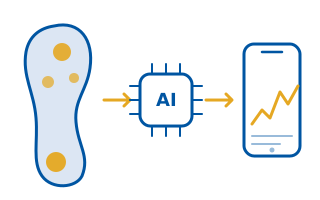
Intelligent movement assessment
AI-integrated and wearable technologies that bring neuromotor assessment beyond the laboratory.
With collaborators in engineering and clinical science, we are exploring data-driven approaches that could bring neuromotor assessment into everyday settings.
-
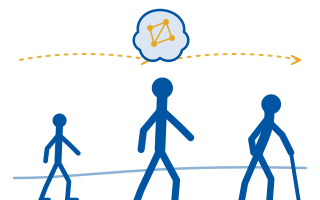
Neurodiversity and neurodegeneration across the lifespan
Motor function in neurodivergent populations (such as autism and Down syndrome) and in movement disorders and neurological conditions (such as Parkinson's disease and stroke).
A growing direction for the lab, building on Dr. Qu's postdoctoral work, toward understanding neuromotor control in these populations across the lifespan.
How we work
Our studies depend on volunteers from the community. Every study with human participants is reviewed and approved by the San José State University Institutional Review Board before recruitment begins.
Interested in collaborating or in taking part in a study? See Join Us.